


Tray Optical Splitter

Product Overview

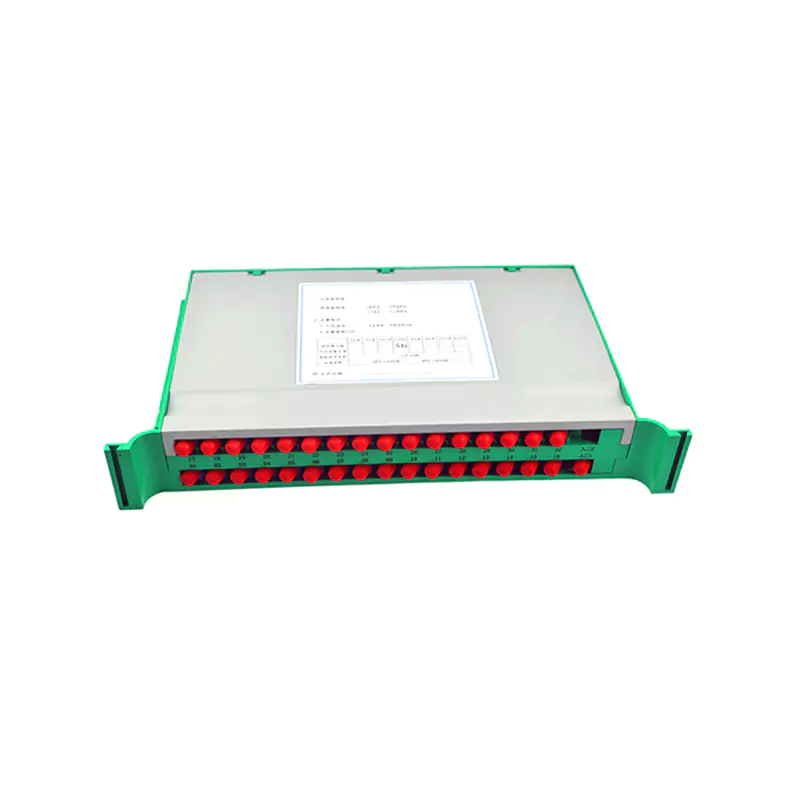
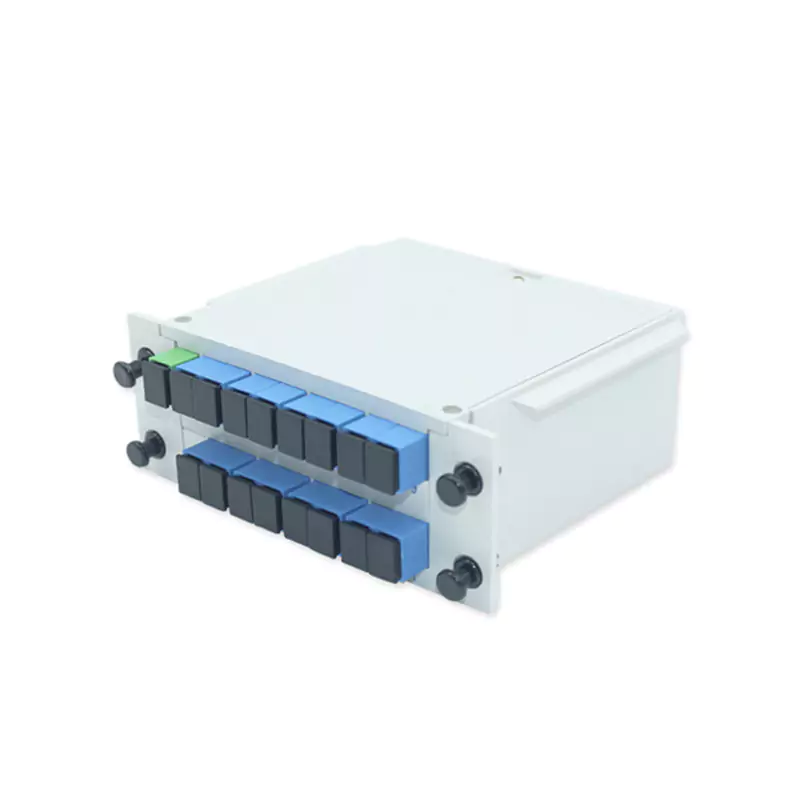
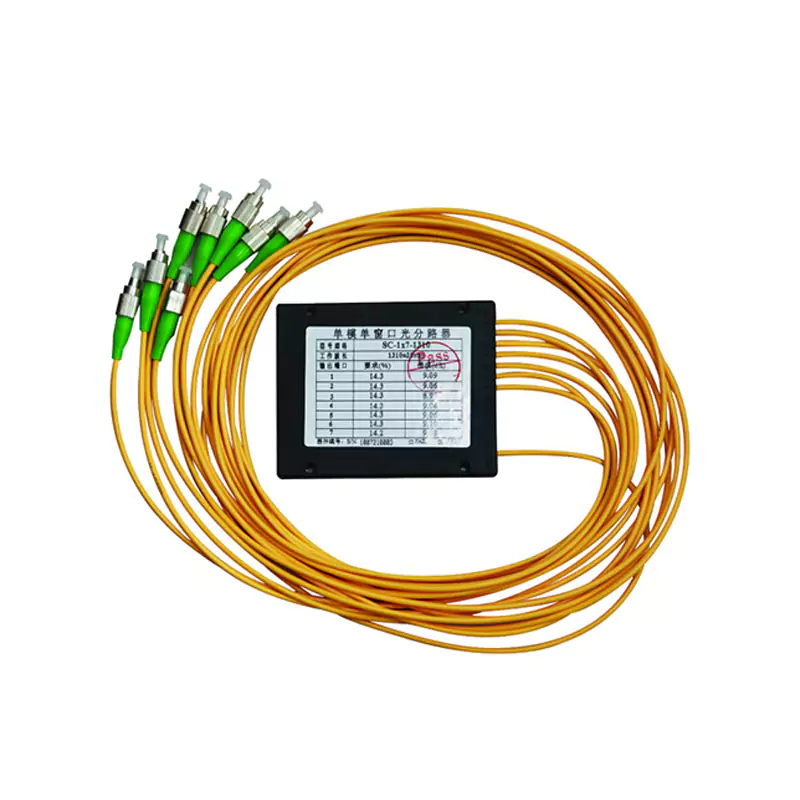
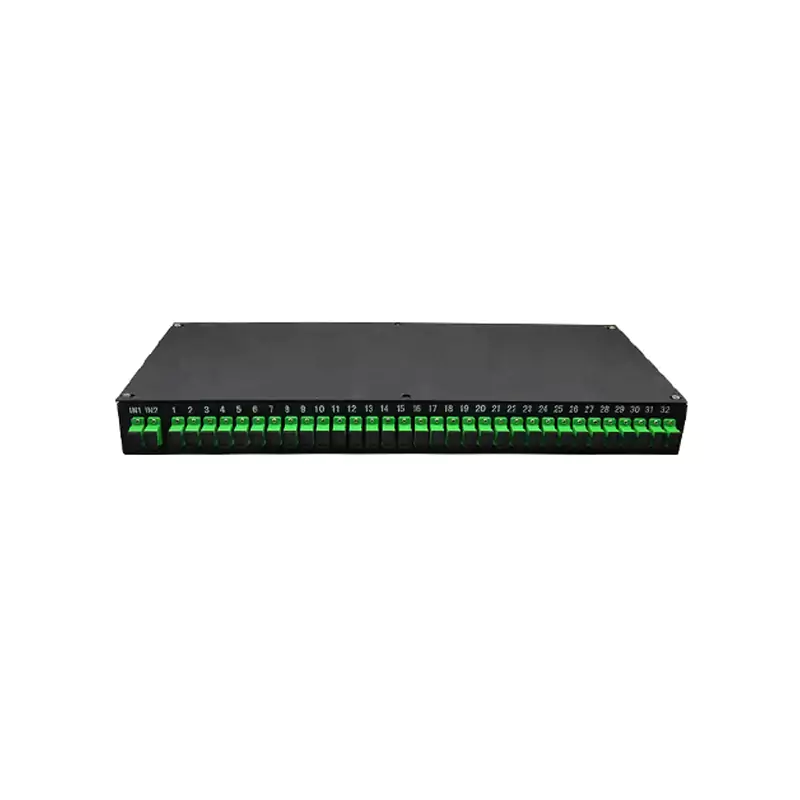
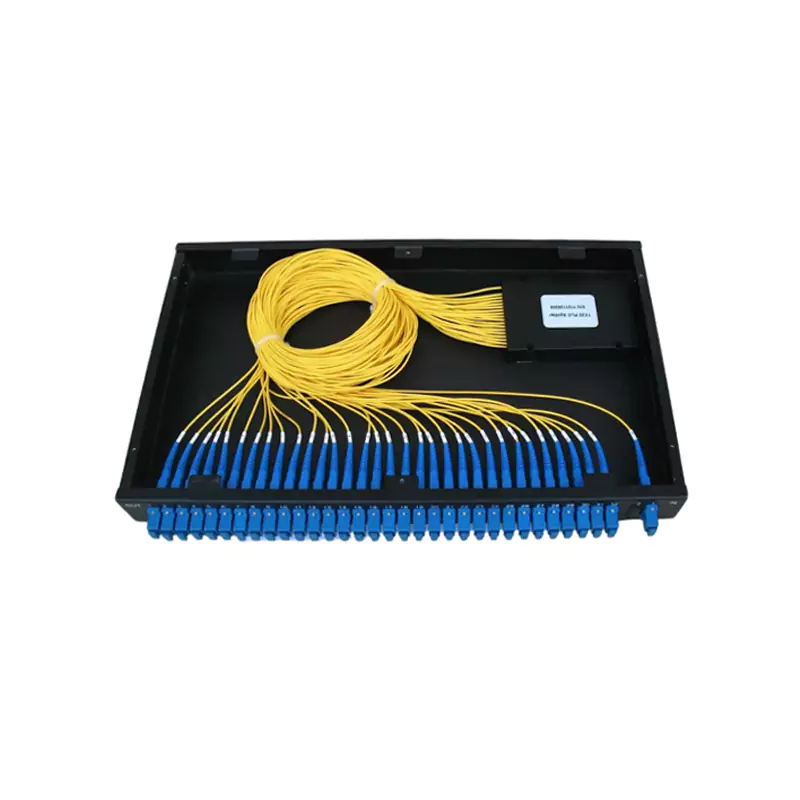
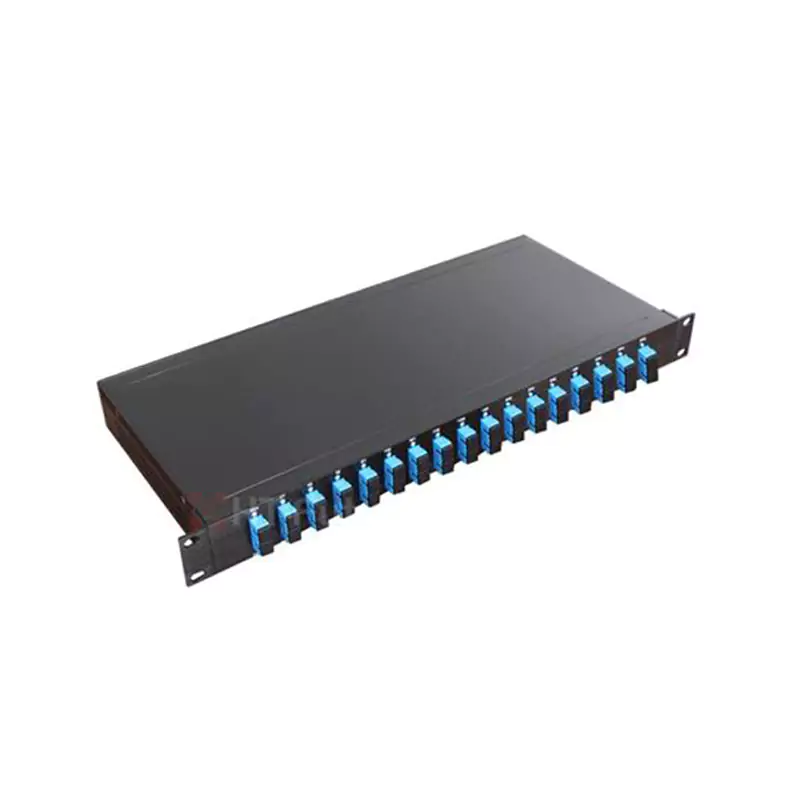
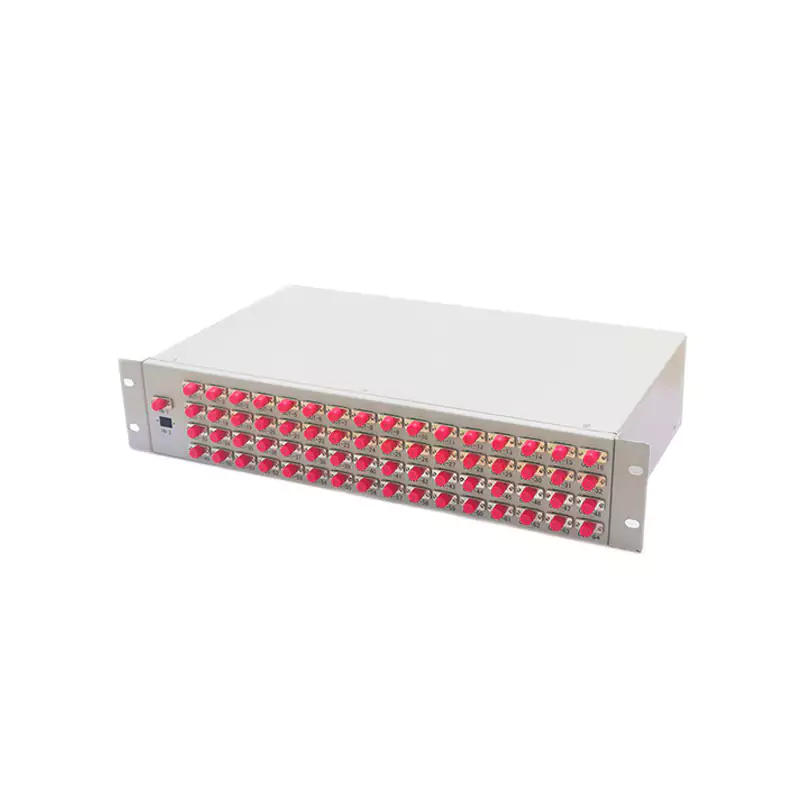
The tray-type optical splitter can be installed in various standard fiber distribution frames or cable distribution boxes to distribute optical signals within fiber cables. The product features high installation density and convenient use and maintenance. It is used in passive optical networks to connect the central office and terminal equipment and to split optical signals, providing a high-density optical signal distribution solution for communication equipment rooms and cable distribution boxes, with a modular tray design for convenient maintenance. The product delivers stable and reliable performance and is widely used in communication network construction, operation, and maintenance, and is widely applied in optical network construction and maintenance.

Mounting:
Installed in standard fiber distribution frames or cable distribution boxes
Product Features:
High installation density, convenient to use, easy to maintain
Core Function:
Distributes optical signals within fiber cables
Applicable Network:
Passive optical networks such as EPON, GPON, and BPON

Key Advantages

High-Density Installation

High installation density enables more splitter ports to be deployed within limited rack space

Convenient to Use

The tray-type structural design makes operation convenient, reducing the difficulty of tasks for maintenance personnel

Easy maintenance

The modular tray design allows individual trays to be maintained or replaced without affecting the operation of other ports

Standard Compatibility

Compatible with various standard fiber distribution frames and cable distribution boxes, allowing flexible deployment

Tray Optical Splitter

Application Scenarios

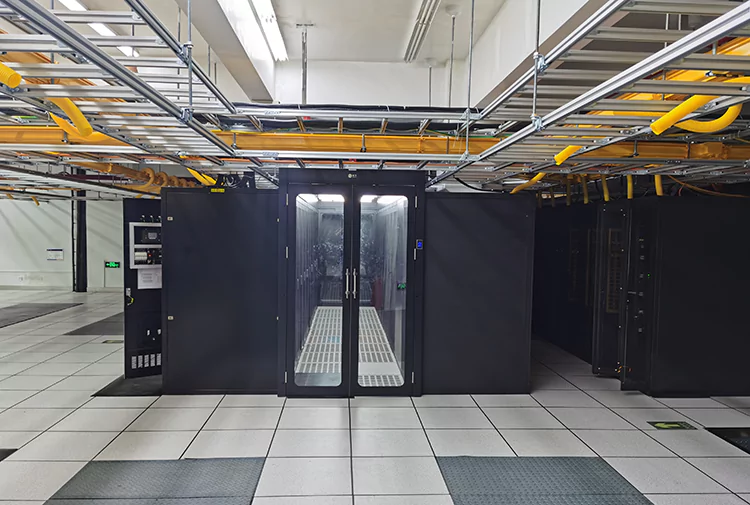
FTTx Fiber Access

FTTx Fiber Access

Compatible with FTTH, building fiber access and ODN branching nodes

Carrier Transmission Node

Carrier Transmission Node

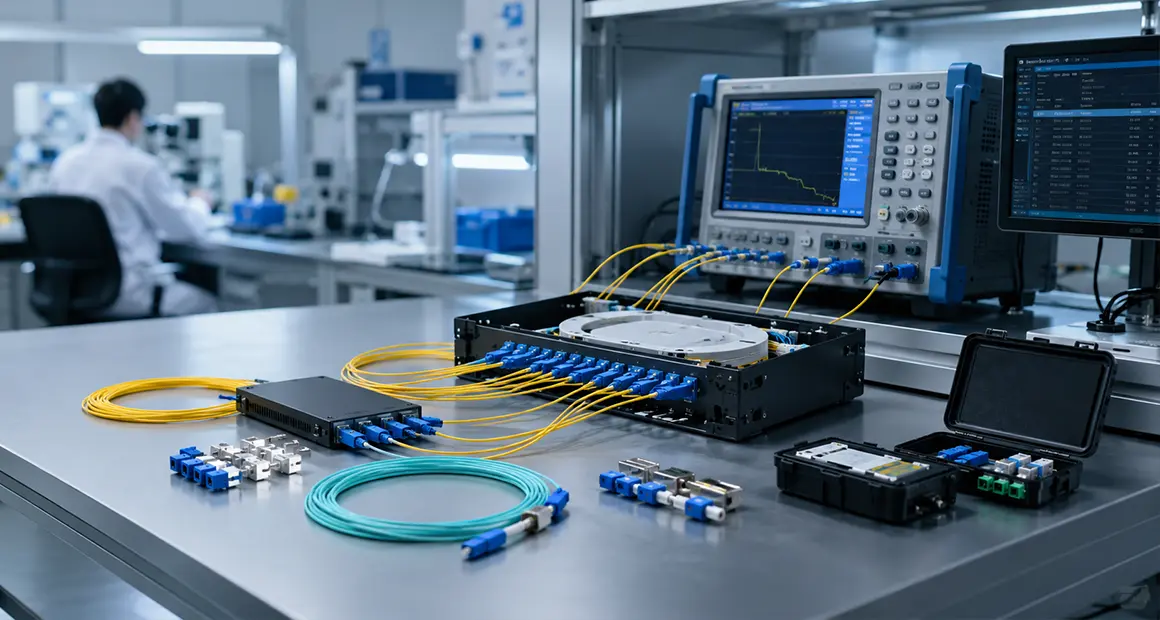
For fiber access, convergence distribution and line management

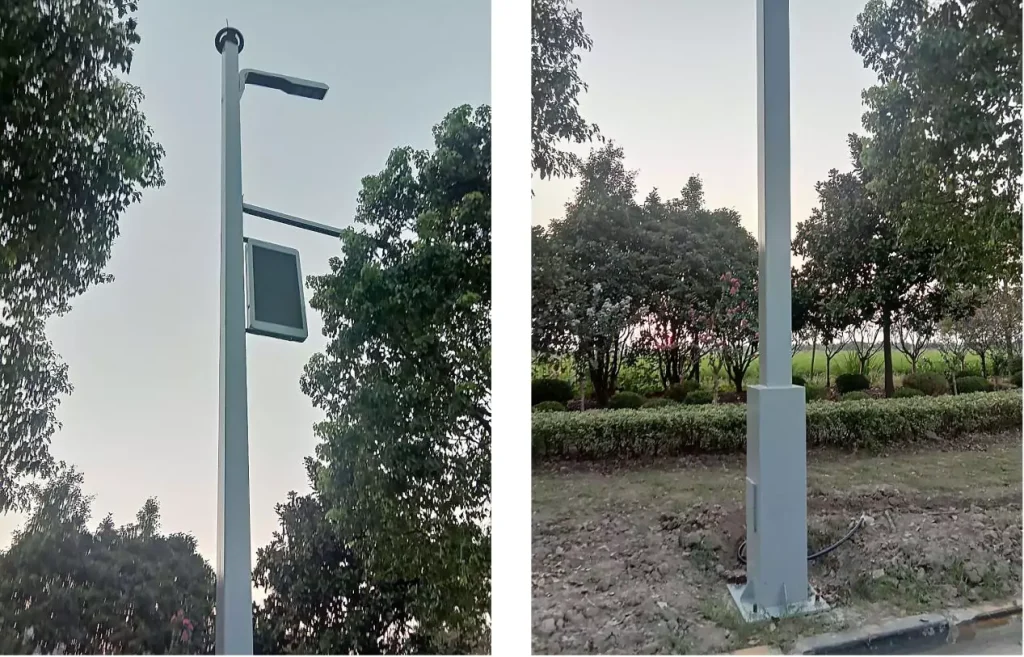
Low-Voltage Systems for Campus and Buildings

Low-Voltage Systems for Campus and Buildings

Supports access and management for park and building low-voltage systems

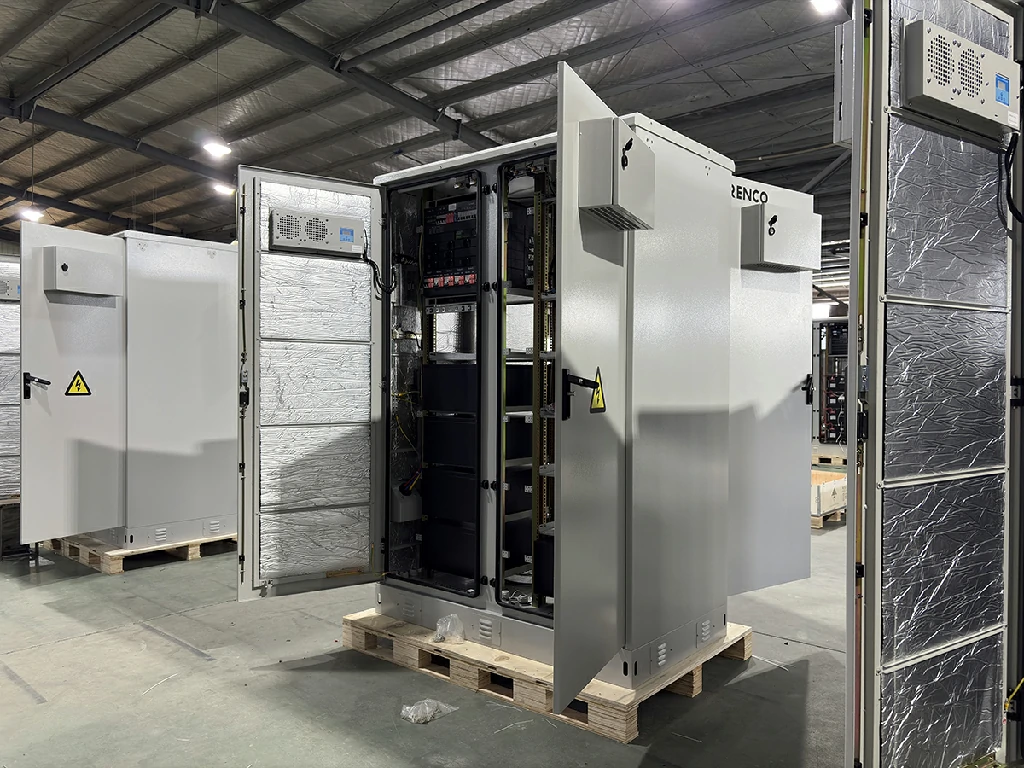
Communication Base Station

Communication Base Station

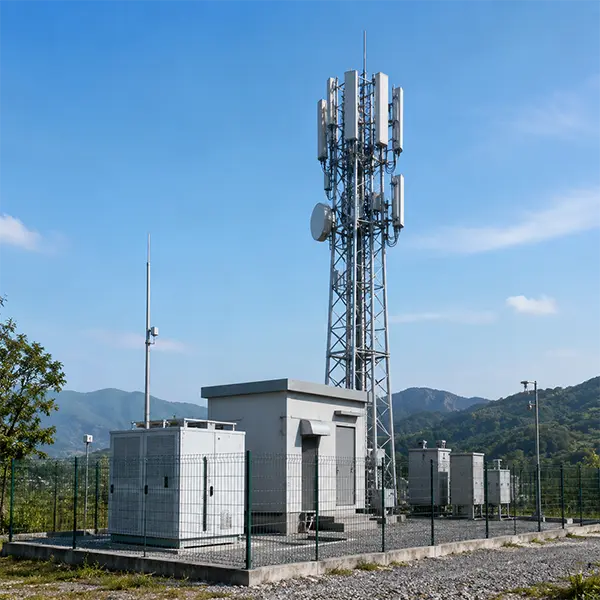
Supports installation, power supply, wiring and protection for base station equipment

Technical Specifications

1×N (N>2) PLC Splitter (with Connector) Optical Characteristics
Parameters 1×4 1×8 1×16 1×32 1×64
1 Operating Bandwidth (nm) 1260-1650
2 Insertion Loss (dB) Max. 7.4 10.5 13.8 17.1 20.4
3 Polarization Dependent Loss (dB) Max. 0.2 0.2 0.3 0.3 0.3
4 Return Loss (dB) Min. 45(PC);50(UPC);55(APC)

50
50

5 Splitting Uniformity (dB) Max. 0.7 0.8 1.0 1.5 2.0
6 Directivity (dB) Min. 55 55 55 55 55


2×N (N>2) PLC Splitter (with Connector) Optical Characteristics
Parameters 2×4 2×8 2×16 2×32 2×64
1 Operating Bandwidth (nm) 1260-1650
2 Insertion Loss (dB) Max. 7.7 10.8 14.1 17.4 20.6
3 Polarization Dependent Loss (dB) Max. 0.2 0.2 0.3 0.3 0.3
4 Return Loss (dB) Min. 45(PC);50(UPC);55(APC)
50
50
50
50
5 Splitting Uniformity (dB) Max. 0.7 0.8 1.0 1.5 2.0
6 Directivity (dB) Min. 55 55 55 55 55


Tray Type Optical Splitter Dimensions (mm)
(T×W×H)
1:4 302×180×25
1:8 302×180×25
1:16 302×180×25
1:32 302×180×50
1:64 302×180×100
2:4 302×180×25
2:8 302×180×25
2:16 302×180×25
2:32 302×180×50
2:64 302×180×100


PLC Splitter Ordering Guide
1* 2* Pricing
Input (m) Output (m)
PLC □ ABS Box Type □ ¢ 2.0 □ ¢ 3.0
□ Rack-mounted type □ ¢ 2.0 □ ¢ 3.0
□ Rail-mounted type □ ¢ 2.0 □ ¢ 3.0
□ Tray-mounted type □ ¢ 2.0 □ ¢ 3.0
□ Metal tube type □ ¢ 0.9
Loose parts □ FC □ PC □ APC
□ SC □ PC □ APC
□ LC □ PC □ APC
□ ST □ PC □ APC
□ Other □ PC □ APC
Ferrule □ UPC □ APC Small Step □ APC Large Step
Level □ Class P □ Class A □ Class B
Packaging □ Telecom □ Mobile □ Neutral

Note: Specifications shown are standard values. Actual performance may vary depending on installation environment, component compatibility, and grid conditions. We reserve the right to continuously optimize design and specifications. For final technical proposals and formal quotations, please contact our sales team to request an official specification confirmation document.
Related Products

View All Products
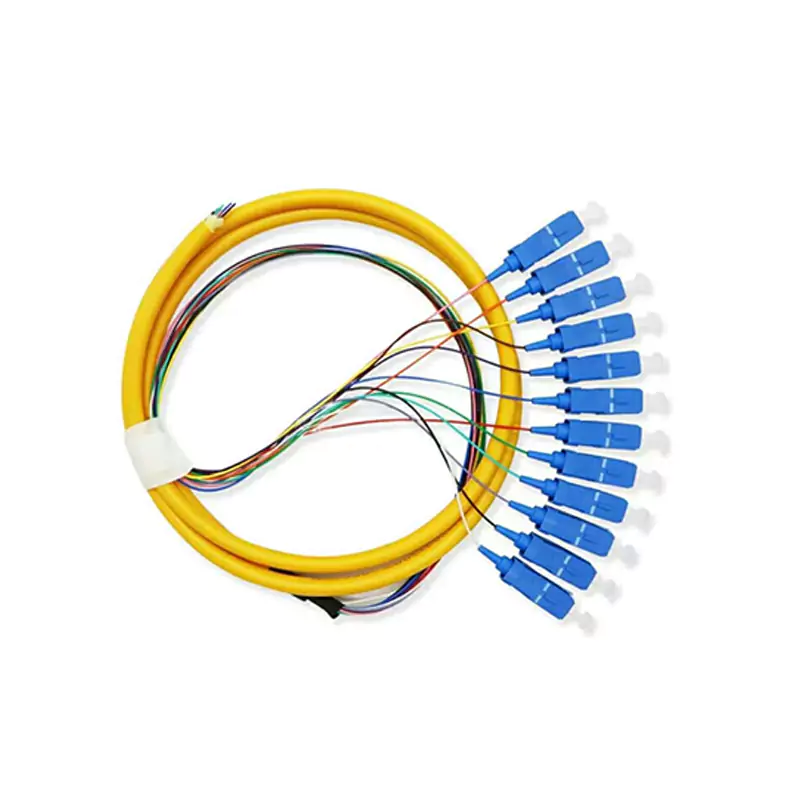
Twelve Core Pigtail

Twelve Core Pigtail

12-fiber 0.9mm pigtail, available in bundled or ribbon type, with a connector on one end and a fusion splice end on the other, multimode 850nm/500m, suitable for fiber terminal box termination applications.

Fiber Count Specification:12-fiber

Pigtail Type:Bundled pigtail, ribbon pigtail

Multimode Parameters:850nm wavelength, 500m transmission distance

Application:Fiber terminal box, 12-fiber integrated tray, cable distribution box

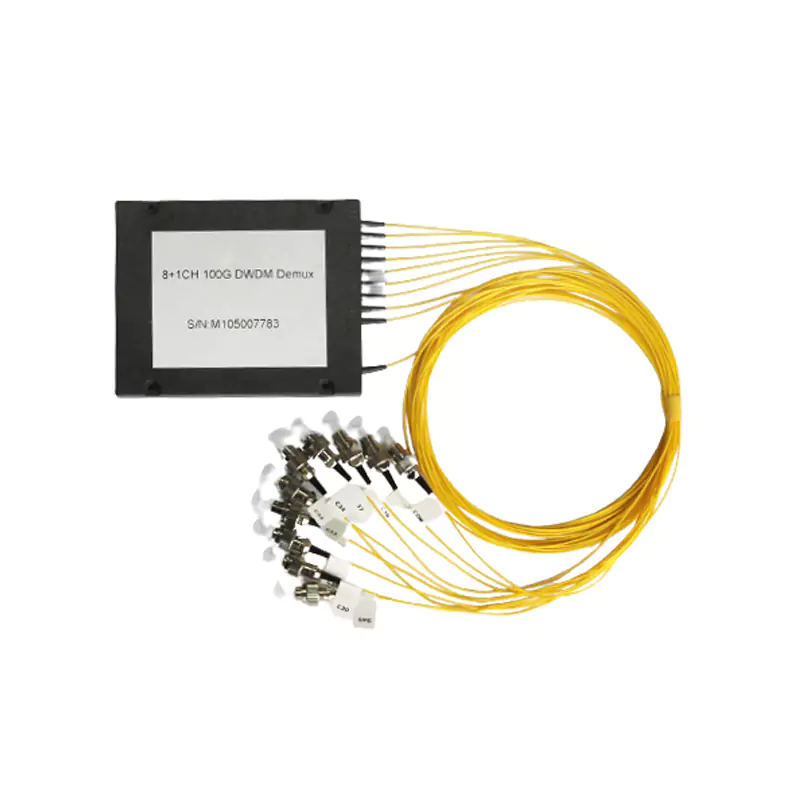
DWDM Dense Wdm

DWDM Dense Wdm

DWDM dense wavelength division multiplexer with 100G/200G channel spacing, multi-cavity dielectric thin-film filtering, and hermetic packaging, suitable for optical amplifiers and DWDM system applications.

Channel Spacing:100G or 200G

Filtering Technology:Multi-cavity dielectric thin-film filtering

Packaging Process:Hermetic packaging process

Operating Temperature:0℃~70℃

Subrack Optical Splitter

Subrack Optical Splitter

Sub-rack optical splitter for 19-inch 1U standard rack mounting, dimensions 483×200×43.5mm, suitable for data centers and communication equipment rooms.

Mounting Specs:19-inch standard rack, 1U height

Product Dimensions:483mm×200mm×43.5mm

Main Components:Standard sub-rack, box-type splitter (with connectors), standard flange

Application:Deployed in standard racks in data centers and communication equipment rooms

Plug In Optical Splitter

Plug In Optical Splitter

Plug-in optical splitter with freely combinable split ratios and customizable SC/LC connectors, suitable for splice-free fiber distribution boxes and PON network applications.

Product Positioning:Defined by Telecom Operator Specifications

Mounting:Installed in distribution cabinets such as splice-free fiber distribution boxes

Split Ratio:Different split ratios can be freely combined

Connector Customization:SC/LC connectors can be customized as required

Fused Biconic Splitter

Fused Biconic Splitter

Fused biconical taper (FBT) optical splitter with real-time monitoring of the split ratio during multi-fiber fusion drawing, single-input multiple-output, suitable for optical distribution in PON network applications.

Manufacturing process:Multiple fibers are bundled together and fused/drawn

Monitoring method:Real-time monitoring of split ratio changes

Port Structure:Single-fiber input on one end, multiple outputs on the other

Applicable Network:Passive optical networks such as EPON, GPON, and BPON

Micro Steel Tube Splitter

Micro Steel Tube Splitter

Miniature steel tube splitter, a first-stage package that can be repackaged into sub-rack, plug-in, or tray types, suitable for EPON/GPON/BPON optical network applications.

Component Type:Multi-input, multi-output fiber optic distribution device

Packaging Form:First-stage splitter package

Repackaging:Can be repackaged into sub-rack, plug-in, or tray types

Applicable Network:Passive optical networks such as EPON, GPON, and BPON

Box Optical Splitter

Box Optical Splitter

Box-type optical splitter with multiple fiber inputs and outputs, suitable for installation in standard/non-standard chassis, and applicable to EPON/GPON/BPON network scenarios.

Component Type:Multi-input, multi-output fiber optic distribution device

Applicable Network:Passive optical networks such as EPON, GPON, and BPON

Mounting:Can be installed in any standard or non-standard chassis

Core Function:Connects the central office and terminal equipment to split optical signals

CWDM Mux Demux

CWDM Mux Demux

CWDM coarse wavelength division multiplexer, a low-cost metro network WDM technology that multiplexes/demultiplexes optical signals of different wavelengths, suitable for metro network and optical transmission applications.

Technology Positioning:A low-cost WDM transmission technology for the metro network access layer

Core Function:Multiplexes/demultiplexes optical signals of different wavelengths onto a single fiber

Application:Optical transmission, metro network, WDM technology

Operating Temperature:0℃~70℃

Reliable protection for critical infrastructure

Contact Engineering Team